
The landscape of tobacco consumption in Vietnam is expected to undergo a significant transformation with the government’s recent decision to enforce an e-cigarette import ban by 2025. As a rapidly developing country, Vietnam has witnessed an increasing prevalence of e-cigarette usage among its youth, prompting authorities to take decisive action. This move aims not only to curtail the burgeoning public health issue but also to align with global trends towards strict tobacco regulations.
The Reasons Behind the Ban
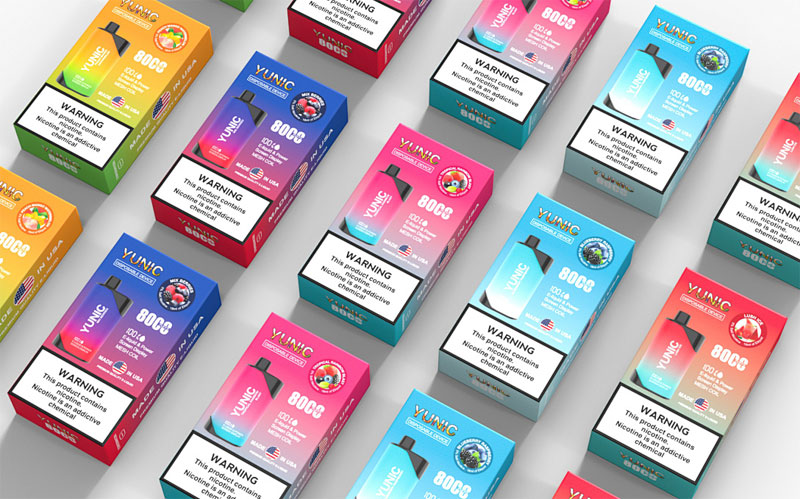
Vietnam’s decision is driven by a multitude of factors. Primary among them is the concern for public health, as numerous studies indicate the potential risks associated with e-cigarette use, especially among adolescents. The lack of long-term data on the health effects of vaping further exacerbates these concerns. Moreover, the government is keen on addressing the rising addiction levels amongst young people. By implementing this ban, Vietnam aims to curb the normalization of smoking habits facilitated by the appealing flavors and marketing strategies employed by e-cigarette companies. Furthermore, Vietnam seeks to prevent future generations from experiencing the adverse effects of nicotine addiction.
Impact on the Market
The ban on e-cigarette imports will undoubtedly have significant implications for the Vietnamese market. Importers and retailers who have invested heavily in this burgeoning industry may face substantial financial losses. Businesses will need to pivot and explore alternative revenue streams, such as offering cessation products that comply with the new regulations or investing in other health and wellness sectors.
On the consumer side, users accustomed to obtaining their preferred e-cigarette products will need to adjust, potentially turning to traditional cigarettes or exploring non-nicotine alternatives. This shift could also lead to the rise of an illicit market, as seen in other countries with similar bans, which could pose additional challenges to enforcement and public health efforts.
Regulatory Measures and Enforcement
Implementing this import ban will necessitate rigorous policy adjustments and enforcement measures. The Vietnamese government is expected to enhance its customs processes, ensuring that prohibited products do not enter the market. Efforts will likely extend to public awareness campaigns, educating citizens about the risks of e-cigarette use and promoting healthier lifestyles. These comprehensive strategies will be vital to the successful execution of the ban.
- Government agencies might increase penalties for illegal e-cigarette trade, thereby deterring potential offenders.
- Collaborations with international bodies may also help Vietnam adapt best practices from other jurisdictions that have enacted similar regulations.
- This collaborative approach could lead to more effective cross-border control.

Potential Ramifications for Tobacco Control
As Vietnam moves towards a future less reliant on tobacco, the e-cigarette import ban could set a precedent for more stringent tobacco control measures. It may encourage policymakers to address other aspects of tobacco regulation, such as improving cessation support and reducing tobacco-related advertising. Ultimately, Vietnam’s commitment to banning e-cigarette imports by 2025 represents a pivotal step in a broader public health strategy, contributing to a healthier society.
Frequently Asked Questions (FAQs)
1. How will the ban affect current e-cigarette users?
The ban will limit the availability of imported e-cigarette products, potentially leading users to seek alternative nicotine sources or quit altogether. Support services and cessation programs may become more prominent.
2. What are the potential challenges in enforcing the ban?
The enforcement of the ban will require significant resource allocation and international cooperation. Challenges could include combating illicit trade and maintaining public awareness about the restrictions.
3. How does this ban align with global trends?
Many countries have begun tightening their tobacco regulations, and Vietnam’s ban on e-cigarette imports aligns with global efforts to reduce nicotine addiction and protect public health.
Through these initiatives, Vietnam hopes to secure a healthier future for its citizens, free from the adverse effects of tobacco products.